Gluten is a protein found in wheat, rye, barley and some other grains. There has been a lot of debate around it in recent years, and the question of whether or not gluten should be eliminated from the diet is of concern to many people. Some believe that gluten can be harmful to health, while others argue that it is safe for most people. In this article, we will take a closer look at the health benefits and harms of gluten, and for whom it is worth limiting its consumption.
Gluten plays an important role in the production of many foods, as it is responsible for the elasticity of dough and its ability to retain its shape. Foods containing gluten are the main sources of carbohydrates for most people. However, not everyone can safely consume gluten. Some people suffer from intolerance or allergy to this protein, which leads to the need to eliminate it from their diet.
Benefits of gluten for the body
For most people, gluten is a safe and even beneficial component of the diet. Gluten-containing foods are a source of important nutrients such as B vitamins, iron, and fiber. Including gluten-containing foods in your diet can help maintain overall health.
-
Energy source: Gluten-containing cereal-based foods provide the body with carbohydrates, which are the main source of energy for humans.
-
Nutrients: foods such as bread, pasta and porridge are rich in vitamins and minerals that are essential for the body to function properly.
-
Digestive support: cereals contain fiber, which helps the digestive system function properly and helps prevent constipation.
Why can gluten be beneficial?
Gluten itself contains no harmful substances and can be part of a healthy diet. Foods containing gluten are often an important part of the diet in different cultures, and they help to maintain nutrient balance.
For example, bread and cereals are major sources of energy for many people around the world, and eliminating these foods can lead to deficiencies in important nutrients.
Gluten harm: who should avoid it?
Although gluten is not harmful to most people, there are certain groups of people who should avoid foods containing this protein. The most well-known gluten-related disease is celiac disease. This is an autoimmune disease in which the consumption of gluten causes damage to the small intestine.
-
Celiac disease: people with this condition are strictly prohibited from consuming gluten because it causes inflammation and damage to the intestinal tissue.
-
Gluten intolerance: some people experience symptoms similar to celiac disease, although they do not have the condition. These people may also experience discomfort when eating gluten-containing foods.
-
Wheat allergy: this is a condition in which the immune system reacts to wheat, causing allergic reactions. In such cases, foods containing gluten can also be harmful.
Symptoms of gluten intolerance
If you suspect that you have gluten intolerance, it is important to pay attention to symptoms, which may include abdominal pain, bloating, diarrhea or constipation, headaches and fatigue. If you experience these symptoms after consuming gluten-containing foods, it is recommended that you see a doctor for an accurate diagnosis.
How to eliminate gluten from your diet?
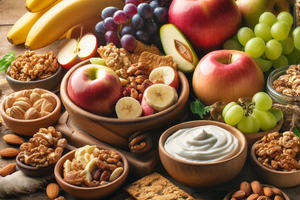
For those who have to avoid gluten, there are many alternative products that can replace the familiar grains. Natural and healthy gluten-free snacks are becoming increasingly popular. Our store offers a wide range of gluten-free products to suit both people with celiac disease and those who simply prefer to go gluten-free.
-
Rice and corn: these grains are gluten-free and a great alternative to wheat.
-
Nuts and seeds: rich in protein and healthy fats, gluten-free.
-
Vegetables and fruits: natural sources of vitamins and minerals, ideal for a gluten-free diet.